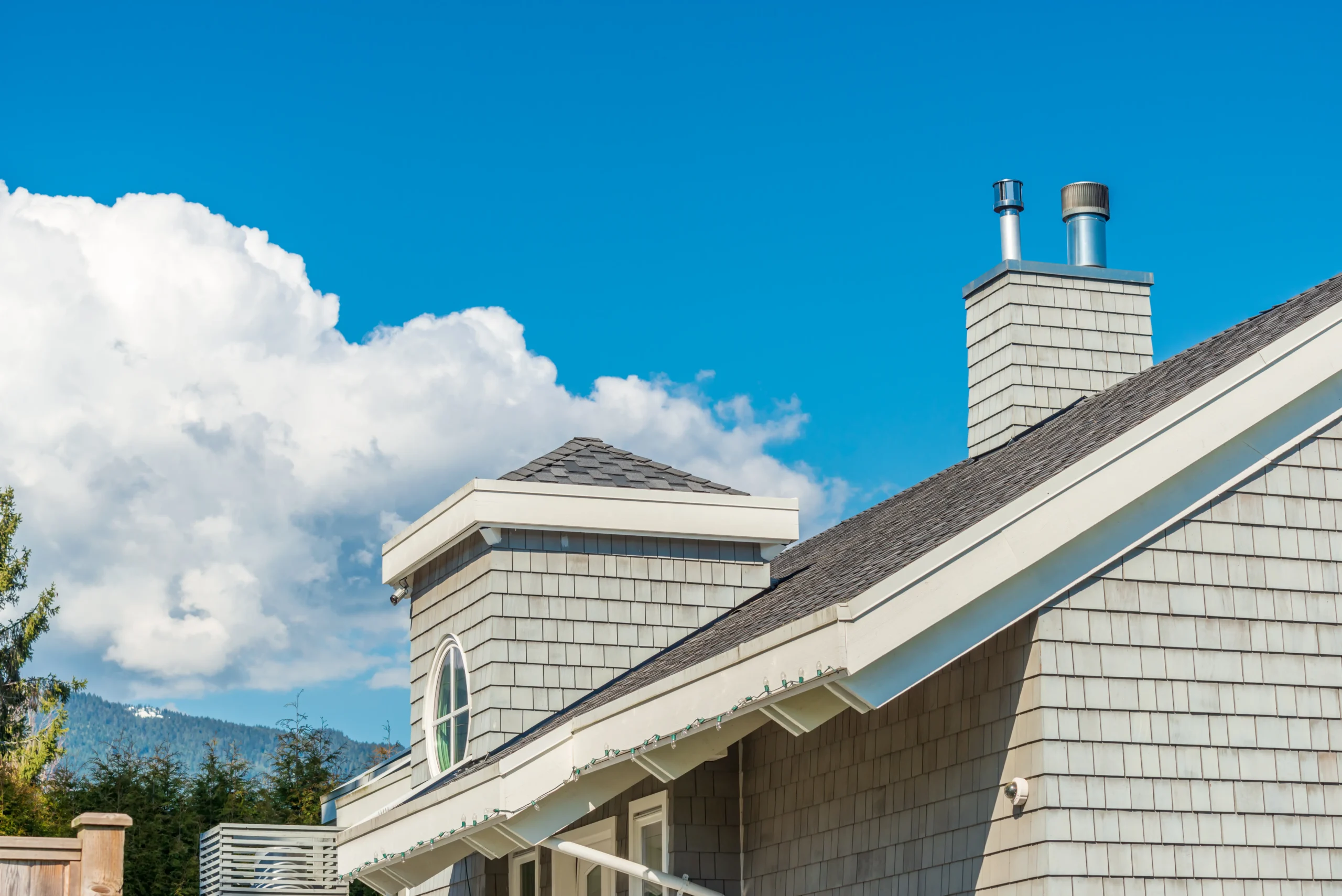
Professional Chimney Flashing in New Jersey
Copper and aluminum chimney flashing that seals your roof against water intrusion. Properly installed flashing stops leaks at the chimney connection point.
Chimney Flashing Services for New Jersey Homeowners
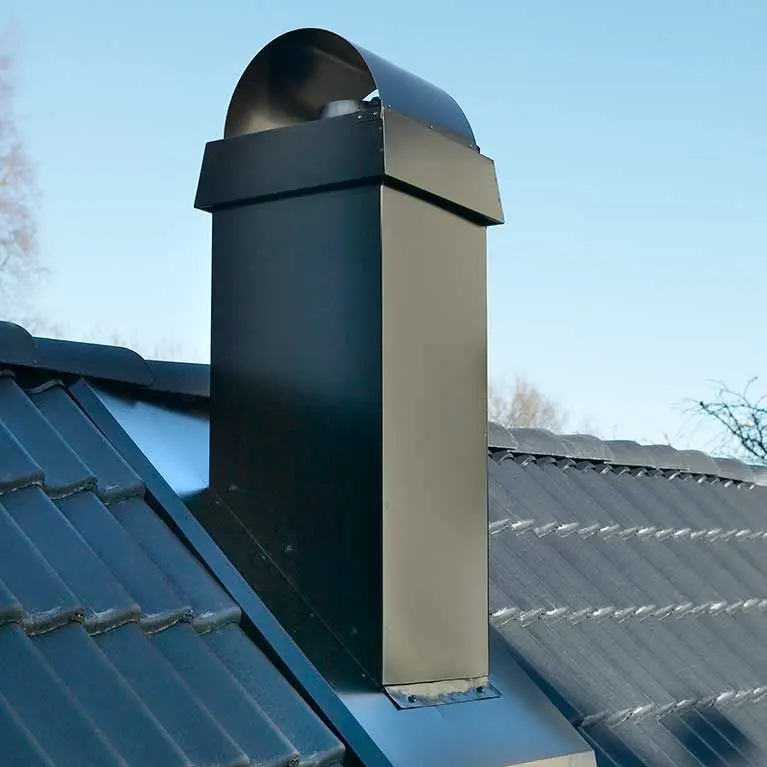
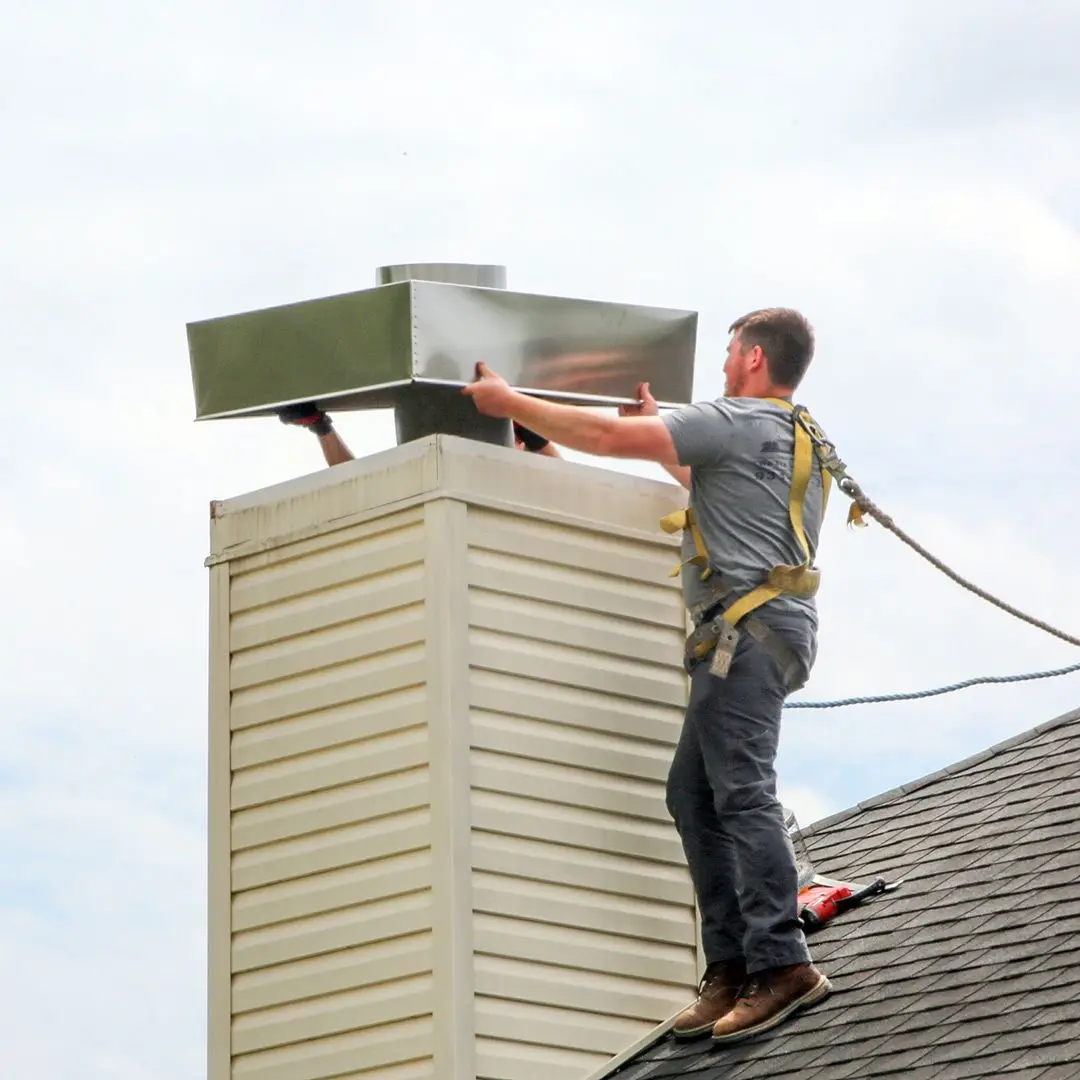
US Roofing and Siding installs and repairs chimney flashing on residential properties throughout New Jersey. The chimney-to-roof connection is the most common source of roof leaks — and the most frequently botched repair by handymen and general contractors who apply roofing cement instead of proper step-and-counter flashing.
Step and Counter Flashing
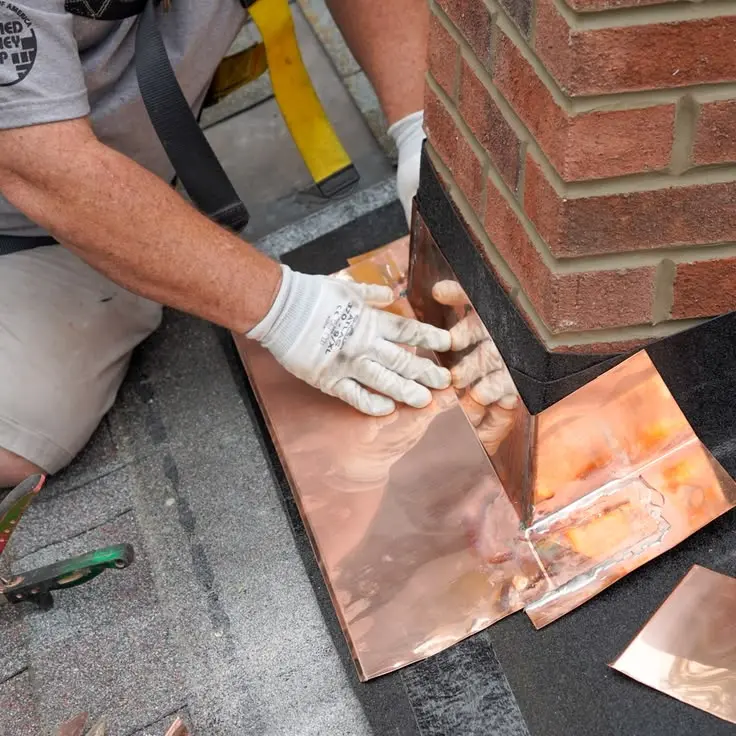
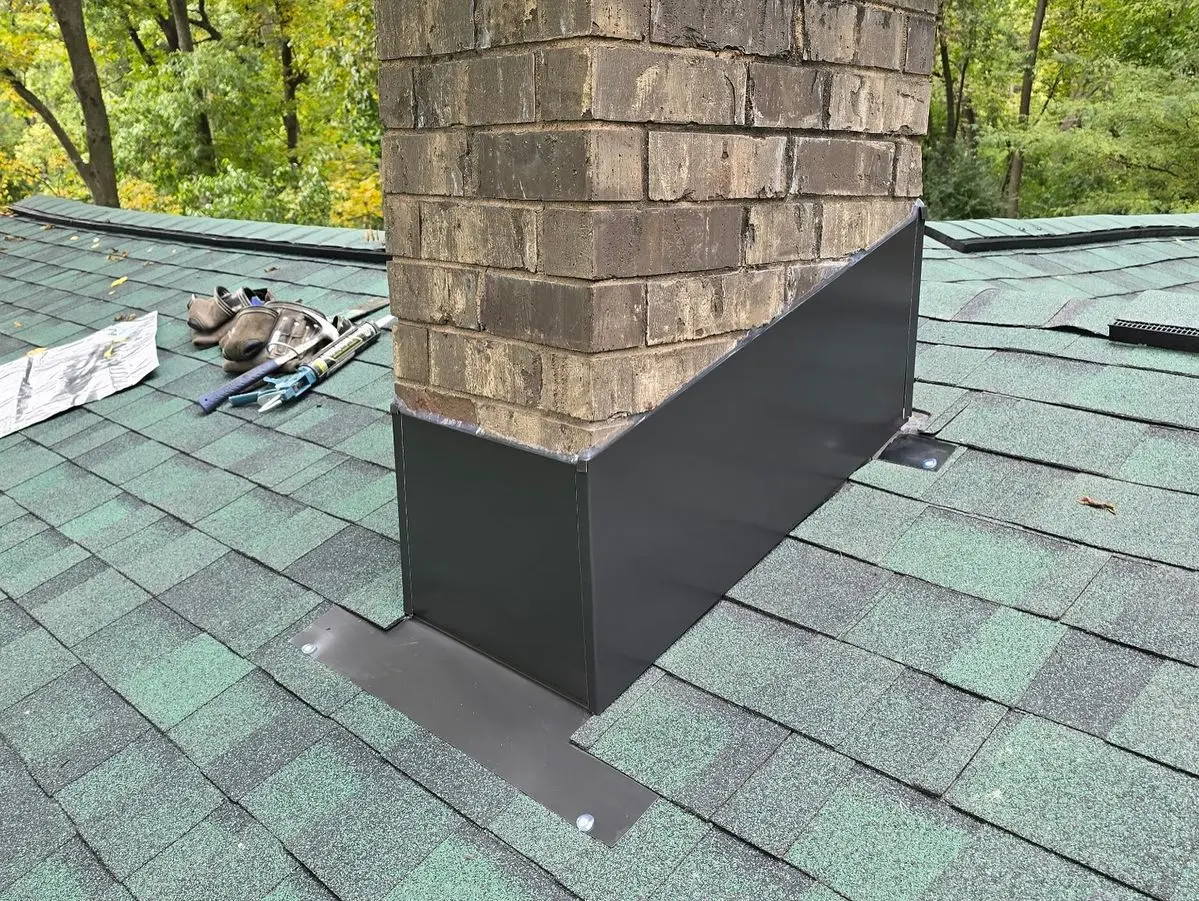
Proper chimney flashing requires two independent layers. Step flashing weaves into each shingle course along the chimney sides. Counter flashing is embedded into the mortar joints and folds over the step flashing to create a watershed that directs water away from the joint. This two-layer system allows both the roof and chimney to expand and contract independently without breaking the waterproof seal.
Copper Chimney Flashing
Copper flashing provides the longest service life of any flashing material — exceeding 70 years in many installations. Copper is naturally corrosion-resistant, maintains its structural integrity through freeze-thaw cycling, and develops a protective patina that complements masonry aesthetics. We solder all copper joints for permanent watertight performance.
Aluminum Chimney Flashing
Aluminum flashing provides reliable performance at a lower cost than copper. We use heavy-gauge aluminum with proper bend profiles and sealant application. Aluminum flashing typically lasts 20 to 30 years when properly installed with adequate overlap and counterflashing embedded in mortar joints.
Chimney Flashing Repair
Deteriorated flashing causes leaks that damage ceilings, walls, and structural framing around the chimney. We remove failed roofing cement patches and install proper step-and-counter flashing that provides a permanent solution rather than a temporary patch.
Whether you need new chimney flashing or a leak repair, US Roofing and Siding delivers permanent waterproofing solutions backed by our workmanship guarantee.
Frequently Asked Questions — Chimney Flashing
Most chimney leaks are caused by deteriorated or improperly installed flashing — not the chimney itself. Roofing cement patches are temporary fixes that fail within a few years. Proper step-and-counter flashing provides a permanent solution.
Step flashing weaves into each shingle course along the chimney. Counter flashing embeds into mortar joints and folds over the step flashing. This two-layer system creates a permanent watershed that allows independent movement of roof and chimney.
Copper lasts 70+ years and requires zero maintenance. Aluminum costs less and lasts 20-30 years. Both provide reliable waterproofing when properly installed. We present both options with pricing during the free estimate.
Most chimney flashing installations are completed in one day. Complex chimneys or those requiring mortar joint preparation may take two days. The work is performed from the roof with no interior disruption.
If the existing flashing is fundamentally sound with only localized failure, targeted repair is possible. If roofing cement was used as flashing, full replacement with proper step-and-counter flashing is the only permanent solution.
Storm damage to chimney flashing is typically covered by NJ homeowner insurance. Age-related deterioration is generally not covered. We document storm-related damage and coordinate with your insurance company.
Stop Chimney Leaks Permanently
Every chimney flashing installation uses proper step-and-counter technique — not roofing cement patches. Licensed NJ contractor #13VH12531900.
Our Chimney Flashing Projects
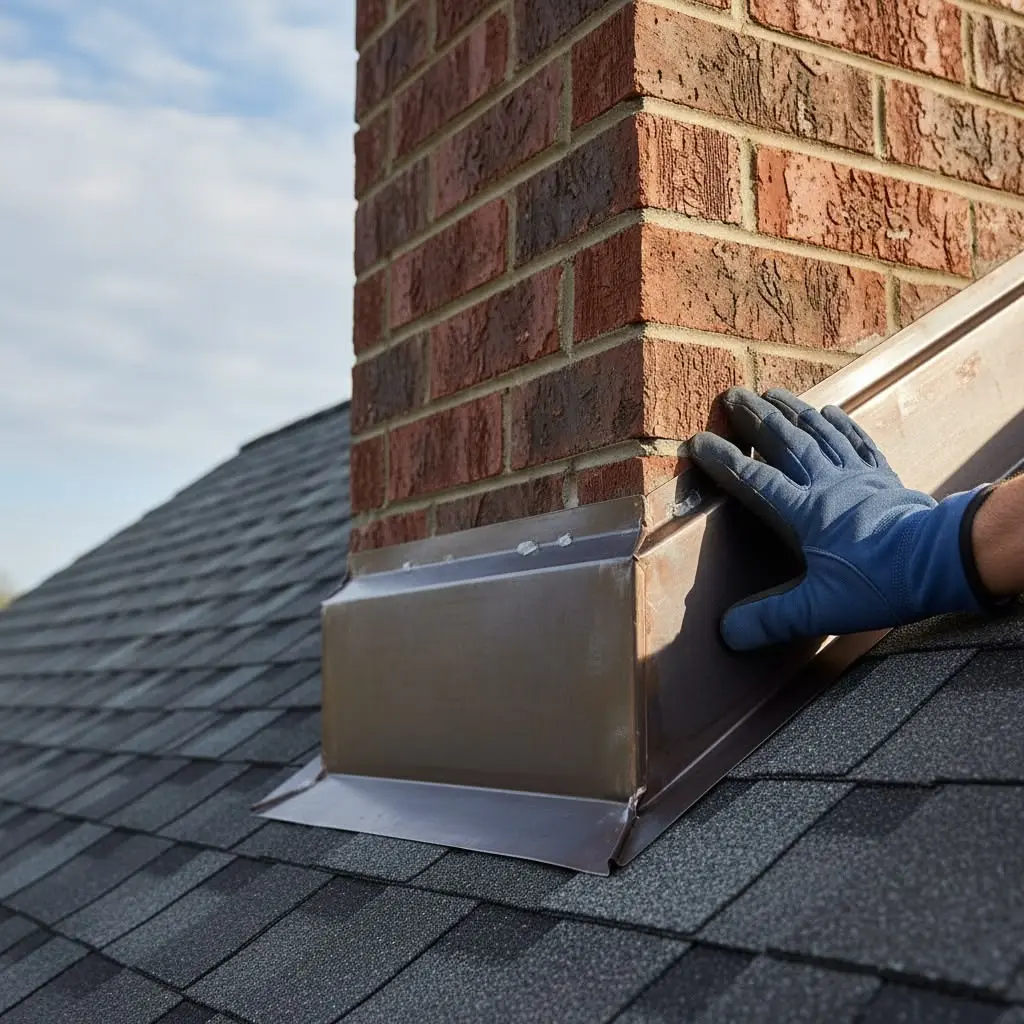

Chimney Flashing in New Jersey
Licensed crews serving 13 counties, from Hudson in the north to Salem in the south.