Why Is My Roof Leaking? 5 Most Common Causes in New Jersey Homes
Discover the most common reasons New Jersey roofs leak and what you can do about each one before the damage spreads.
The 5 Most Common Causes of Roof Leaks in New Jersey
A leaking roof is one of the most stressful problems a New Jersey homeowner can face. Water stains on ceilings, damp walls, and dripping during storms all point to a roofing issue that requires prompt attention. Understanding the most common causes helps you identify the problem early and prevent costly interior damage.
1. Damaged or Missing Shingles
New Jersey weather puts tremendous stress on asphalt shingles. High winds from coastal storms, nor easters, and summer thunderstorms can lift, crack, or completely remove shingles from your roof. Once a shingle is compromised, water penetrates the underlayment and reaches the roof deck. Regular visual inspections after major storms can catch this problem early. Look for shingles in your yard or gutters as a clear sign of wind damage.
2. Failed Chimney Flashing
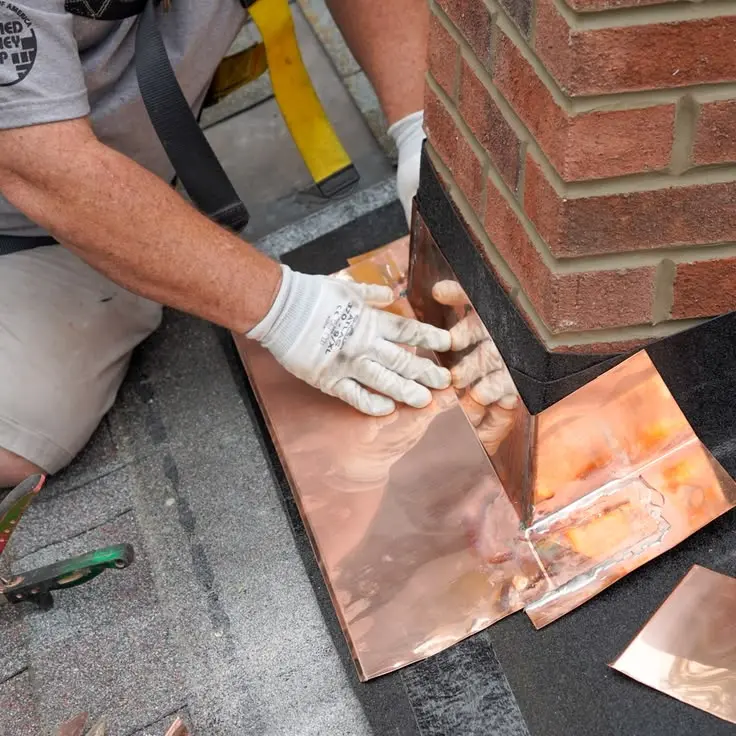
The connection point between your chimney and roof is the single most common leak source on New Jersey homes. Proper chimney flashing requires step-and-counter flashing — two independent layers that allow the roof and chimney to expand and contract independently. Many contractors use roofing cement as a shortcut, which cracks and fails within a few years. If your chimney flashing was installed with roofing cement rather than proper metal flashing, a leak is inevitable.
3. Clogged Gutters Causing Ice Dams
When gutters are clogged with leaves and debris, water backs up under the shingle edge. During New Jersey winters, this backed-up water freezes and creates ice dams that force water under shingles and into your attic. Proper gutter maintenance combined with adequate attic ventilation prevents ice dam formation. We recommend cleaning gutters at least twice per year.
4. Inadequate Attic Ventilation
Poor attic ventilation creates a cycle of moisture damage that leads to leaks. In winter, warm air rises into an unventilated attic, melts snow on the roof surface, and creates ice dams at the eaves. In summer, trapped heat accelerates shingle aging and causes the roof deck to warp. Balanced ventilation — equal intake at the soffits and exhaust at the ridge — solves both problems.
5. Age and General Wear
Even a properly installed roof has a finite lifespan. Architectural shingles last 25 to 30 years in New Jersey conditions. Signs of aging include curling shingle edges, granule loss visible in gutters, and daylight visible through the roof deck from the attic. If your roof is approaching its expected lifespan, a professional inspection can determine whether repair or replacement is the better investment.
What to Do If Your Roof Is Leaking
If you discover a roof leak, contain the water with buckets, move valuables away from the affected area, and contact a licensed roofing contractor for inspection. Do not attempt to climb on a wet roof. A professional inspection identifies the actual source of the leak and provides a documented repair plan. If storm damage is the cause, your homeowner insurance likely covers the repair. We handle the full insurance claim process at no additional cost above your deductible.
Frequently Asked Questions
The visible water stain is rarely directly below the leak source. Water travels along roof decking and rafters before dripping. A professional inspection traces the water path to identify the actual entry point.
Many leaks are caused by localized failures — a missing shingle, failed flashing, or a single penetration. These can be repaired without full replacement.
Storm damage is typically covered. Normal wear and aging is not. We provide free inspections and handle the insurance claim process if the damage qualifies.
Immediately. Even a small leak causes cumulative damage to insulation, framing, and drywall. Mold can develop within 48 hours of water intrusion.